
TchiTchi Opens Up About Brotherhood, Loyalty, and the Heart Behind New “Irmãos”
Rising genre-fluid artist TchiTchi opens up about his latest single “Irmãos”, a Portuguese-language record that captures the essence of brotherhood, loyalty, and shared survival. We sat down to discuss the emotional roots of the song, his cultural background, and the journey from his earlier work to this deeply personal release.
“Irmãos” is performed in Portuguese — what does that language unlock for you emotionally that English doesn’t?
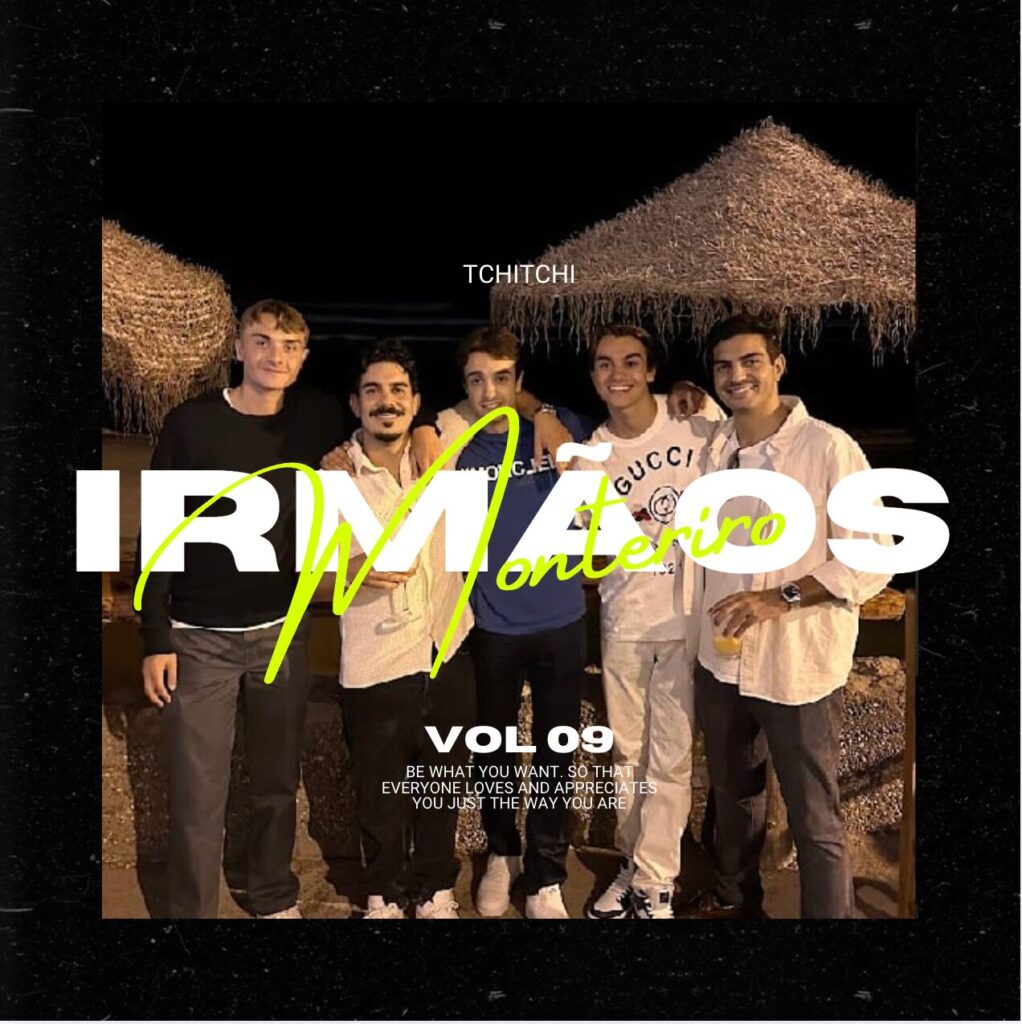
Portuguese is something I feel deeply connected to because of my father — he’s Portuguese — and my two brothers were born and raised in Portugal. That’s my story. Irmãos is more than just lyrics; it’s a story carried by both words and language. Portuguese expresses the emotion in a way English can’t for this song. It had to be in Portuguese.
You describe growing up without direction. What was the turning point where loyalty to your brothers became a compass?
In my family, we’ve always fought for what we have — on the football field, in the classroom, and in life. For me, I wasn’t naturally talented, so hard work and never giving up became everything. My brothers were very direct — sometimes it hurt to hear the truth, but there was no nonsense. If you did well, you got praise. If not, you heard about it. That honesty and loyalty shaped me.
This song documents real moments — which line was the hardest to say out loud?
The hardest part was:
“If I lose my voice, shout for me
If I run out of breath, I run with you till the end
Two hearts, one rhythm, the same beat
Same marks, same wounds, the same space”
Even though I don’t say everything directly, that part is very real. It reflects how we protected each other growing up — if something happened to one of us, the others stepped in. That means a lot to me.
“Luxury Nights” and “Irmãos” feel like two sides of the same person. Which one is closer to where you are right now?
They’re completely different. Luxury Nights isn’t personal — it’s more of a club song, made for people to feel good. Irmãos is a story. It’s what I feel but can’t always say without music. That said, I have another song coming that’s even closer to my heart — I just haven’t decided yet if I’ll release it.
You made a deliberate choice to strip away spectacle here. What’s the risk in that — and why take it anyway?
The risk is that people might not pay attention the same way. Today, everything is about hype, visuals, and big energy. When you strip that away, the music has to stand on its own — there’s nothing to hide behind.
But that’s exactly why I did it. This song is real. It’s my story. I wanted people to actually listen and feel it, without distractions.
Cape Verdean heritage, raised in Oslo, now based in the U.S. — how do you decide which part of yourself leads in a record?
I don’t overthink it. I make all kinds of beats — it depends on what’s in my head at the time. My father has a wide taste in music, and I listen to everything. I get inspiration from friends, family, and life.
Sometimes I feel like making something for a specific culture — like Cabo Verde — but mostly I just create what feels right. Of course, what people connect with matters too.
How does being genre-fluid protect you as an artist — and where does it challenge you?
It protects me because I’m never stuck. I can always create based on how I feel, without forcing myself into one sound.
But it’s also a challenge because not everyone understands it right away. Some listeners want one style, so when you switch, you can lose people. It’s about balancing being yourself and building something people can follow.
“Kings Will Dream” to “Dyslexia” — what connects those two projects?
It’s about growth — in music and in life. Kings Will Dream is about having ambition and believing in something bigger. If you don’t dream, what are we even doing?
Dyslexia goes deeper. It reflects a big part of my life. I’m turning 20 this year, and there were times I wanted to give up completely because things were so hard. I struggled in school, felt behind everyone, even in football. But through hard work, not giving up, and having my family behind me, I got through it.
What does it mean that success is happening while your brothers are watching?
It means a lot. They’re very supportive. But I wouldn’t call it success yet — I’ve still got a long way to go. I just hope people connect with my music the same way I do.
If someone who’s never experienced that kind of loyalty hears “Irmãos,” what do you want them to feel?
I want them to feel like they’re not alone. Even if they’ve never had that kind of bond, I want them to understand it exists. That kind of loyalty is real. And maybe it inspires them to find it — or to become that person for someone else.