Latin Music’s Enduring Legacy in the National Recording Registry
Latin music has profoundly shaped the American musical landscape, leaving an indelible mark on the nation’s cultural history. From the infectious, rhythmic energy of Celia Cruz and Johnny Pacheco’s collaborative masterpiece Celia & Johnny to the reggaetón explosion ignited by Daddy Yankee’s “Gasolina,” these works represent the diverse and vibrant contributions of Latin artists to the American songbook.
Each year, the Library of Congress selects 25 recordings for the National Recording Registry, aiming to preserve sound recordings that are deemed “culturally, historically or aesthetically significant” to American life. This prestigious list serves as a testament to the enduring power of music to bridge cultures and define eras.
Recent Inductions and Historical Milestones
On May 14, the Library of Congress added two more essential Latin tracks to the registry: José Feliciano’s holiday staple “Feliz Navidad” and the festive “Mambo No. 5” by Pérez Prado and His Orchestra. These selections follow last year’s inclusion of Vicente Fernández’s ranchera anthem “El Rey” and Freddy Fender’s bilingual country ballad “Before the Next Teardrop Falls.”
Congressman Joaquin Castro, a vocal advocate for the inclusion of Latin artists in the registry, has emphasized the importance of this recognition. “For musicians of any genre, having a song inducted into the National Recording Registry is a prestigious honor,” he noted. Castro has been a driving force in ensuring that the registry better reflects the contributions of Latinos, who make up 20 percent of the U.S. population but have historically been underrepresented in these archives.
A Legacy of Innovation
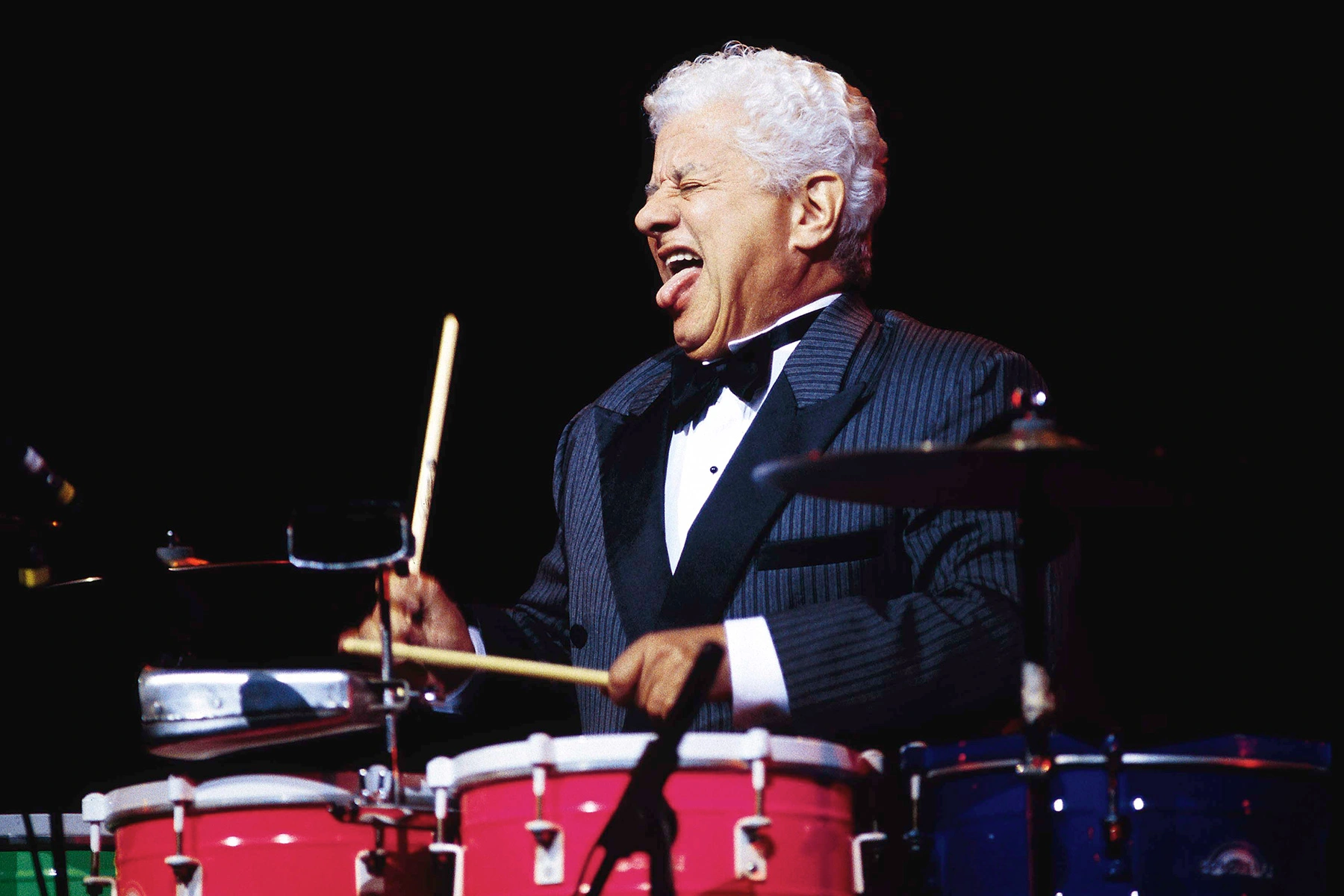
The journey of Latin music in the registry began in 2002 with the induction of Tito Puente’s 1958 album Dance Mania. Since then, the registry has honored a wide array of influential works, including Santana’s Abraxas (1970), which redefined Mexican-American rock; the Buena Vista Social Club’s self-titled 1997 album, which introduced Cuban son to a global audience; and Ritchie Valens’ “La Bamba” (1957), a track that masterfully blended traditional son jarocho with the raw energy of American rock and roll.
As the Library of Congress continues to expand its collection, the inclusion of these works ensures that the rich, multifaceted history of Latin music remains a permanent fixture in the American narrative, celebrating the artists who have shaped the sound of the nation.