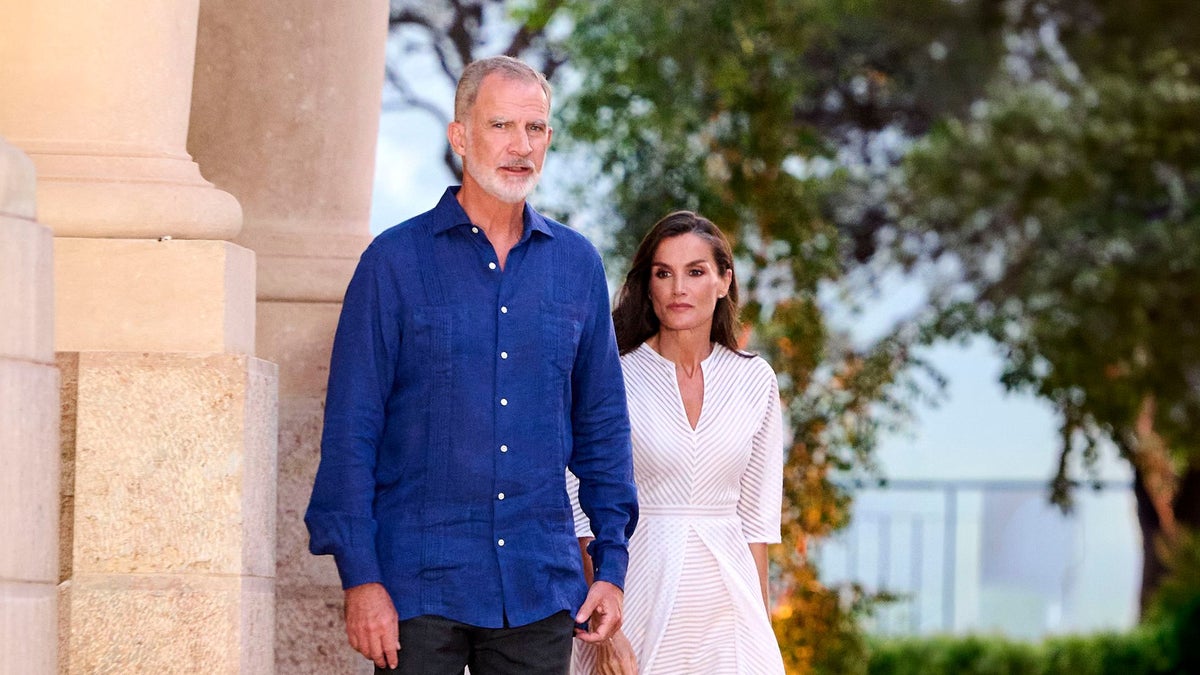
King Felipe VI and the Guayabera Phenomenon in Mallorca
The Royal Influence on Summer Style
While Queen Letizia is frequently celebrated by international press for her impeccable style and ability to avoid sartorial errors, King Felipe VI has quietly cemented his own status as a global fashion reference. Recently dubbed “the most elegant royal in the world” by Tatler, the monarch has undergone a notable stylistic evolution, embracing a more relaxed yet sophisticated aesthetic that resonates with modern sensibilities.
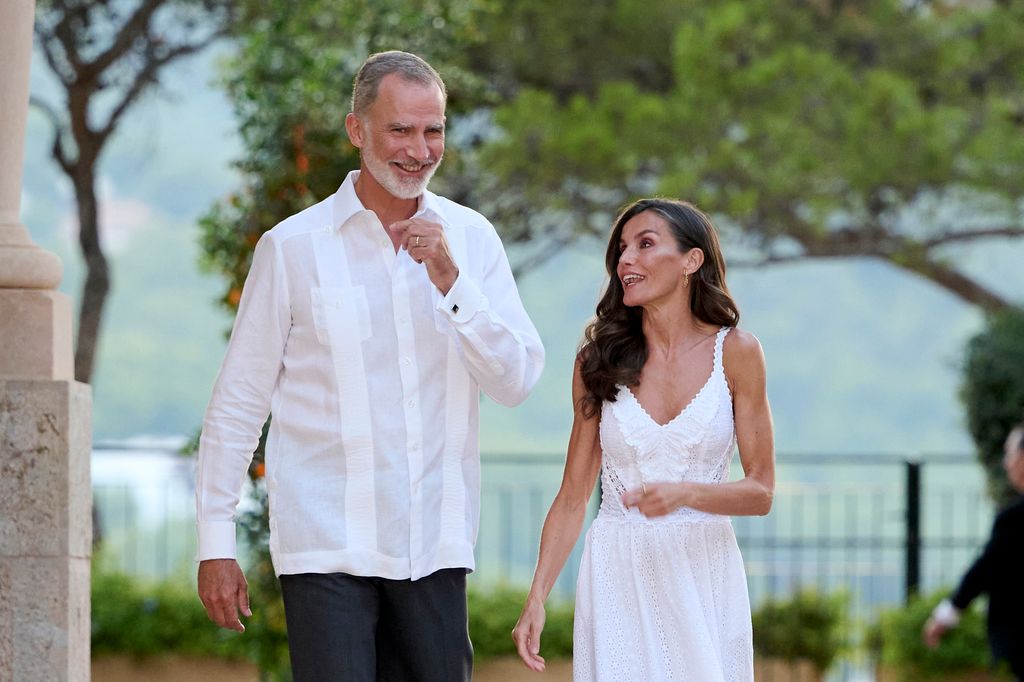
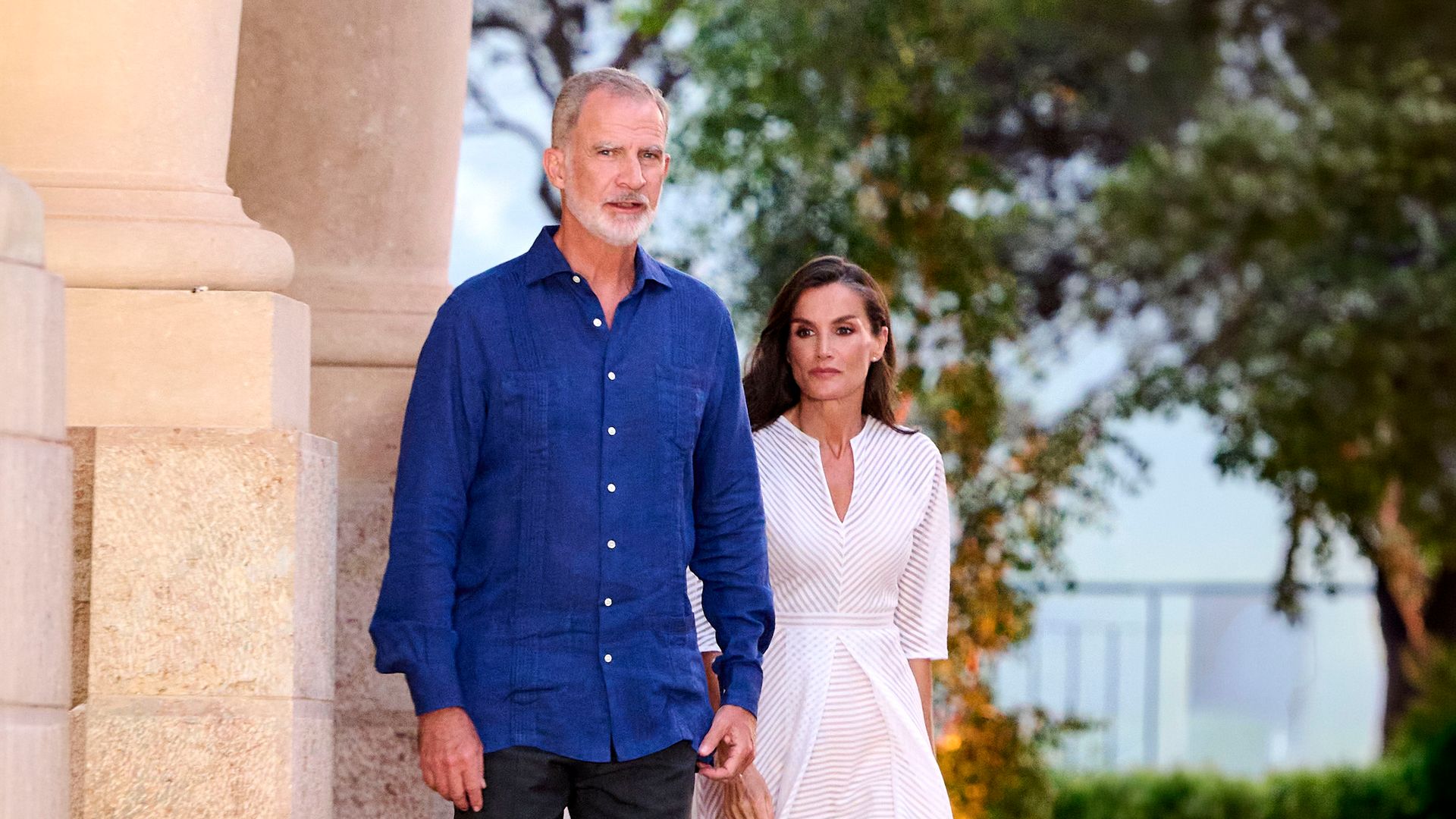
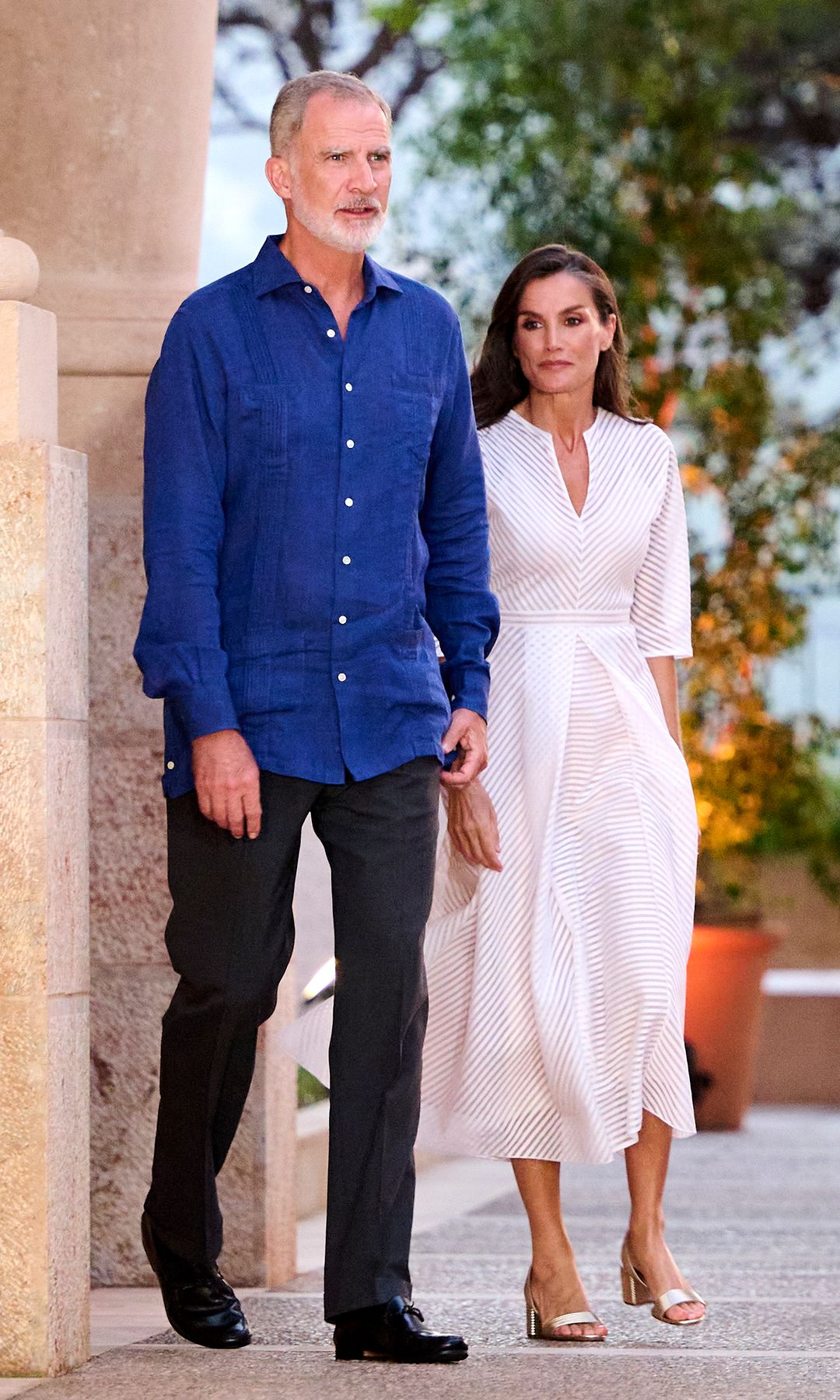
This shift toward a more approachable casual wear was on full display this Tuesday during the traditional reception for the authorities of the Balearic Islands at the Palacio de Marivent. By opting for a guayabera—a traditional shirt originating from Latin America—the King has successfully created a summer fashion phenomenon that has left local retailers struggling to keep up with demand.
The History and Appeal of the Guayabera
The guayabera is far more than a simple summer shirt. Characterized by its loose fit, four front pockets, and vertical pleats, the garment is a staple of Caribbean culture. Its origins remain a subject of debate, with theories ranging from a practical design requested by a farmer’s wife to the influence of Spanish immigrants in the 19th century. Regardless of its exact provenance, the shirt has become an iconic symbol of relaxed elegance.
In Palma de Mallorca, the “Felipe effect” is palpable. For the second consecutive year, the shirt has become a highly sought-after item, with local department stores reporting that stock has been depleted for weeks. This trend mirrors the King’s own preference for the garment, which he has worn on several high-profile occasions, including his 2019 visit to Cuba.
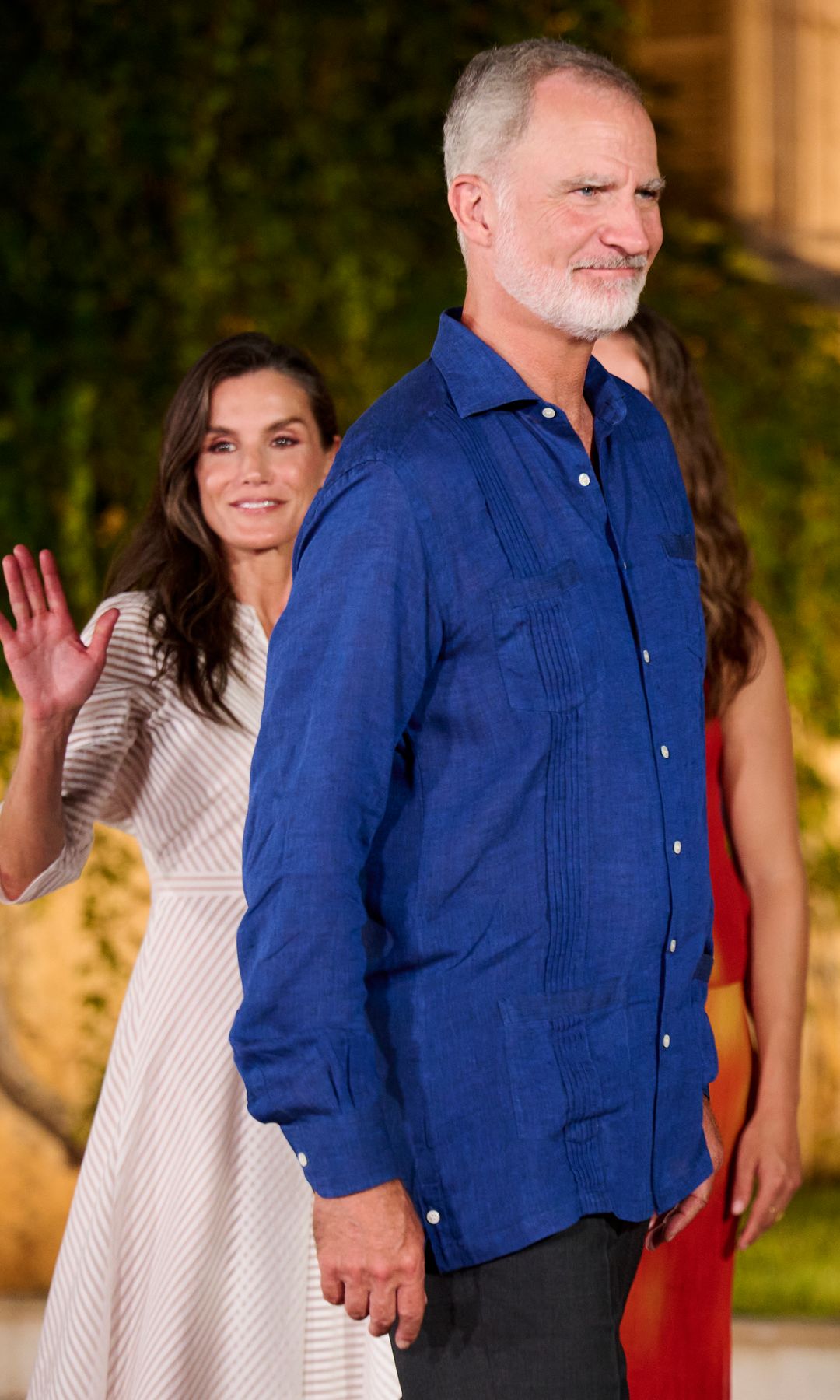
Whether in classic white or the deep, regal blues he favored for this year’s reception, the King has demonstrated that the guayabera provides the perfect balance between comfort and the formal requirements of royal protocol. By pairing these shirts with tailored trousers, he continues to redefine the boundaries of modern royal attire.