The Power of Latin Music in UFC Walkout Songs
The UFC walkout has become one of the clearest places where fighters show the world who they are before a single punch is thrown. As the promotion continues to embrace its Noche UFC tradition, the choice of music has evolved into a powerful tool for cultural expression. Whether it is a nod to heritage, a salute to a hometown, or a high-energy anthem to ignite the crowd, the walkout song sets the tone for the entire spectacle.
In the world of mixed martial arts, fighters often select music that reflects their personality, culture, and motivations. For many, this means turning to the rich tapestry of Latin music. From the timeless sounds of Latin Music legends to the modern pulse of dembow and salsa, these tracks do more than just fill the arena—they project pride, bravado, and a deep sense of belonging.
Cultural Identity in the Octagon
The impact of these choices is evident across the roster. Fighters like Alexa Grasso have utilized mariachi standards such as “El Son de la Negra” to ground their entrance in cultural weight, while others like Diego Lopes opt for high-energy remixes to turn the arena into a party. This diversity of sound highlights that Latin music in the UFC is not a monolith; it is a vibrant, evolving landscape.
For some, the music is a direct declaration of identity. Edgar Chairez’s use of “Soy Un Mexicano, Lo Que Hay” leaves no room for ambiguity, serving as a powerful statement of national pride. Similarly, Tracy Cortez has spoken about the deep meaning behind her choice of Selena’s “Como la Flor,” describing it as a humbling reminder of her roots and the journey of her immigrant parents.
A Global Soundscape
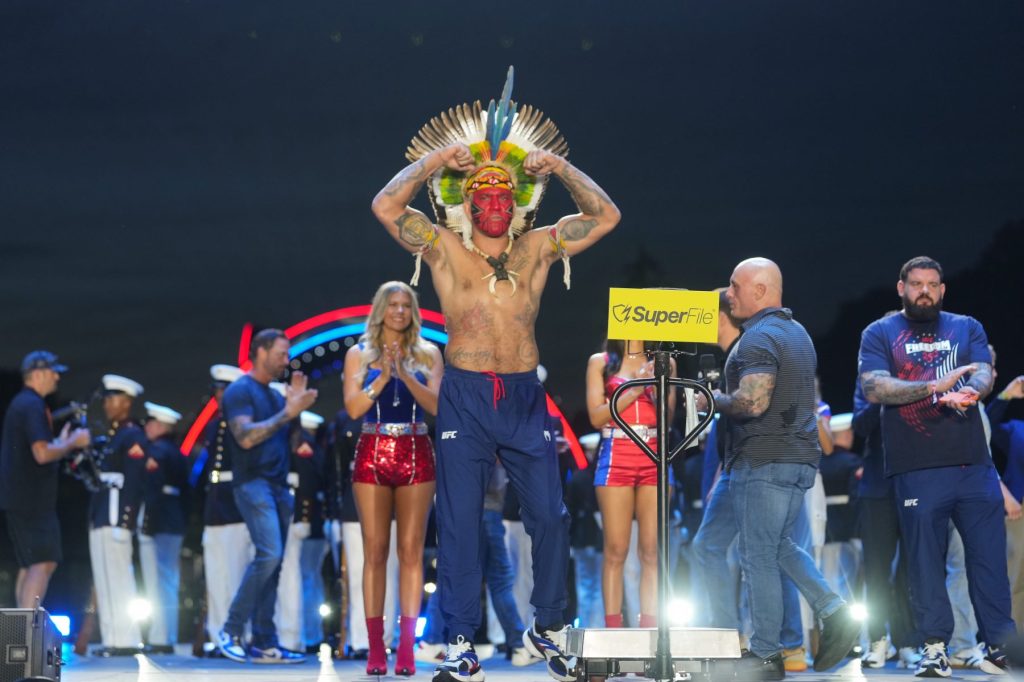
The influence of these artists extends beyond traditional genres. Alex Pereira, for instance, has utilized the instrumental “Itsári” by AC/DC-adjacent intensity—though specifically from Sepultura—to honor his Pataxó heritage. Meanwhile, fighters like Waldo Cortes-Acosta bring the rhythmic intensity of dembow to the heavyweight division, proving that the sound of the Octagon is as varied as the fighters themselves.
As the UFC continues to grow its global footprint, these identity-driven spectacles remain a vital part of the fan experience. By choosing songs that resonate with their personal histories, these athletes are not just walking to a fight; they are bringing their culture, their families, and their communities with them into the cage.