50 Years of ‘Charlie’s Angels’: The Style That Defined an Era
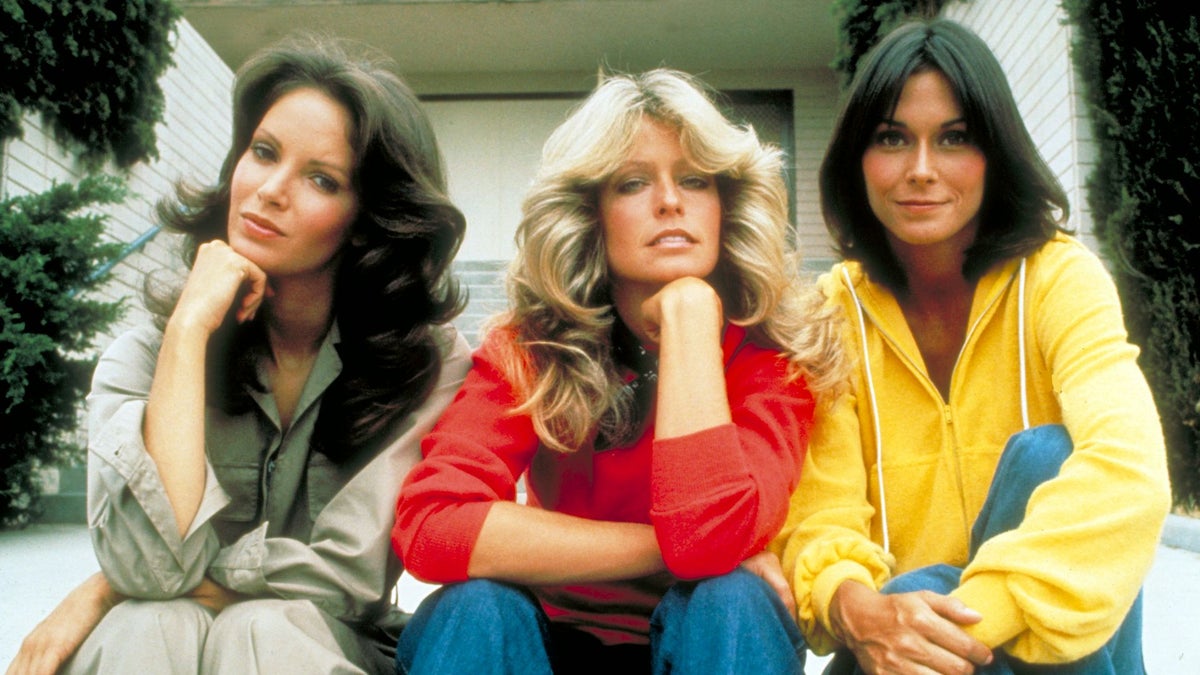
September 22, 2026, marks the 50th anniversary of the television premiere of Charlie’s Angels. Since its debut in 1976, the series became a cultural phenomenon, cementing the status of Kate Jackson, Farrah Fawcett, and Jaclyn Smith as global icons. Beyond the mystery and action, the show left an indelible mark on fashion history, defining the aesthetic of the 1970s through its legendary Charlie’s Angels style.
Nolan Miller: The Architect of Iconic Looks
The visual identity of the show was largely crafted by designer Nolan Miller. Tasked with creating a distinct look for each detective, Miller treated the wardrobe as a narrative tool. With up to eight costume changes per episode, the show functioned as a moving fashion magazine, blending California-cool with high-glamour, sportswear, and the era’s signature bohemian flair.
The Legacy of the Bell-Bottom Jean
If one garment encapsulates the series, it is the high-waisted, bell-bottom jean. These pieces were paired with fitted shirts, turtlenecks, and svelte blouses, creating a silhouette that was both practical for action and undeniably stylish. This combination of denim and high-waisted tailoring remains a recurring trend on modern runways, proving the timelessness of the show’s sartorial choices.
Individual Style: Three Women, Three Visions
While the trio often appeared coordinated, each character possessed a unique sartorial identity:
- Sabrina (Kate Jackson): Favored a more androgynous, practical aesthetic, often opting for trousers and structured shirts.
- Jill (Farrah Fawcett): Represented the quintessential California-sporty look, blending athletic wear with her iconic, voluminous hairstyle.
- Kelly (Jaclyn Smith): Brought a touch of Hollywood sophistication to the team, frequently seen in elegant dresses and refined trench coats.
A Lasting Influence on Modern Fashion
From sequined jumpsuits and halter tops to the relaxed, bohemian influence of the American West, the wardrobe of Charlie’s Angels was a masterclass in 70s fashion. Half a century later, these looks continue to inspire contemporary designers. The series proved that costume design could be as vital to a show’s success as the script itself, leaving a legacy that remains as vibrant today as it was in 1976.
Author

Violeta Rojo
EDM LOVA